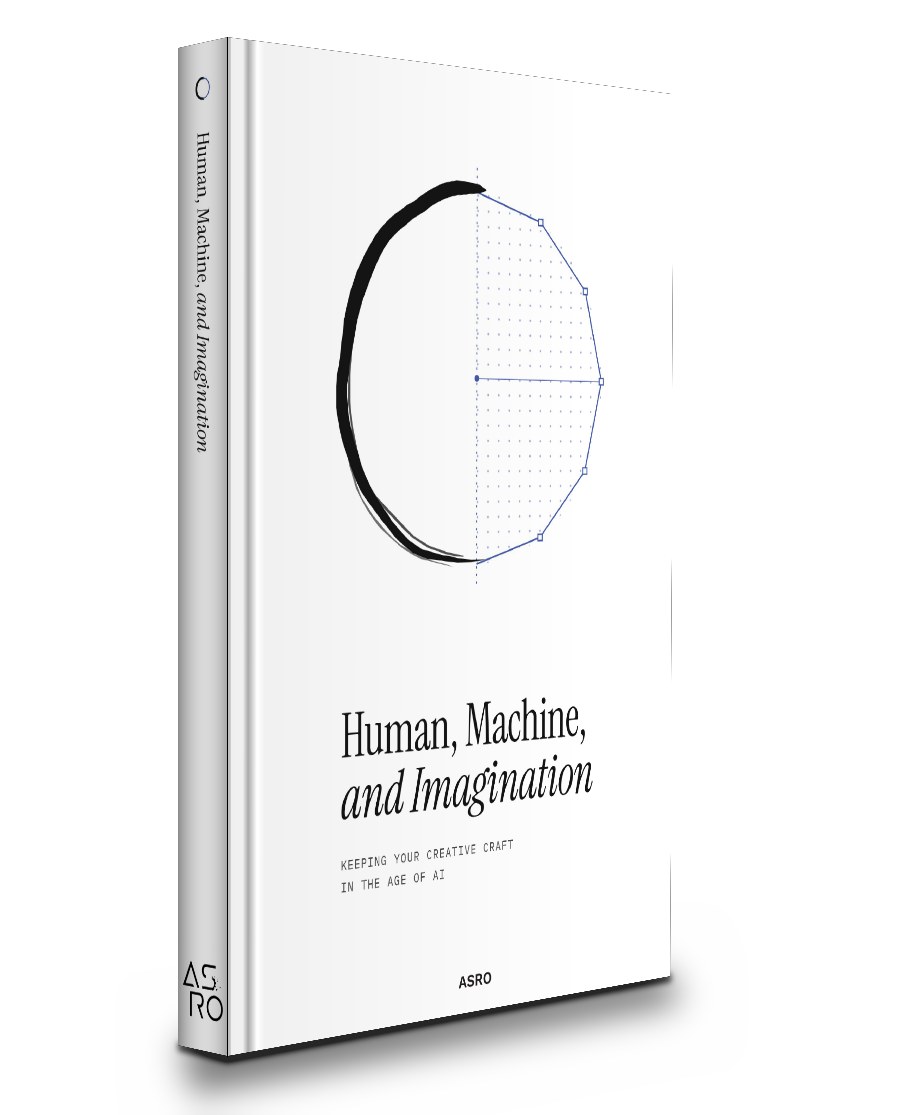
Human, Machine, and ImaginationMens, machine en verbeelding
Keeping your creative craft in the age of AI. A practical guide for makers.
View book

New books and offers, now and then. Unsubscribe anytime.
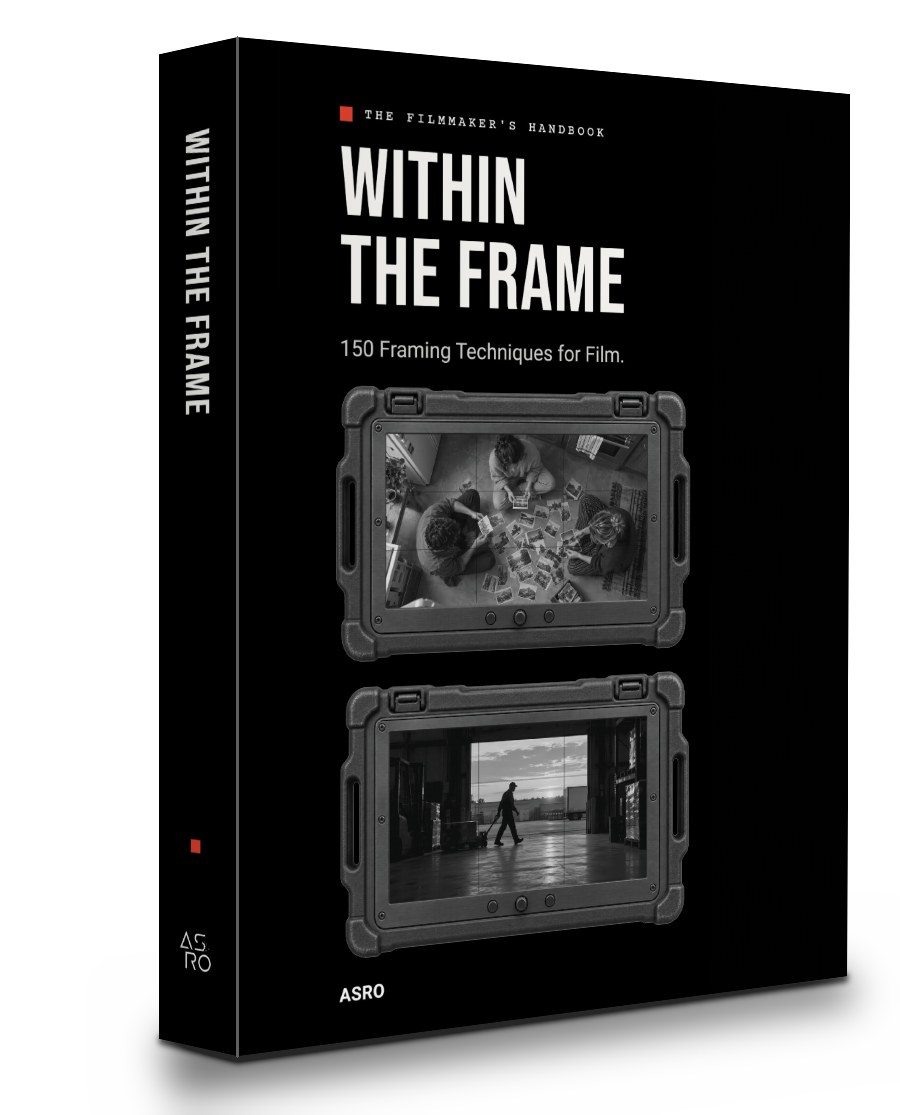
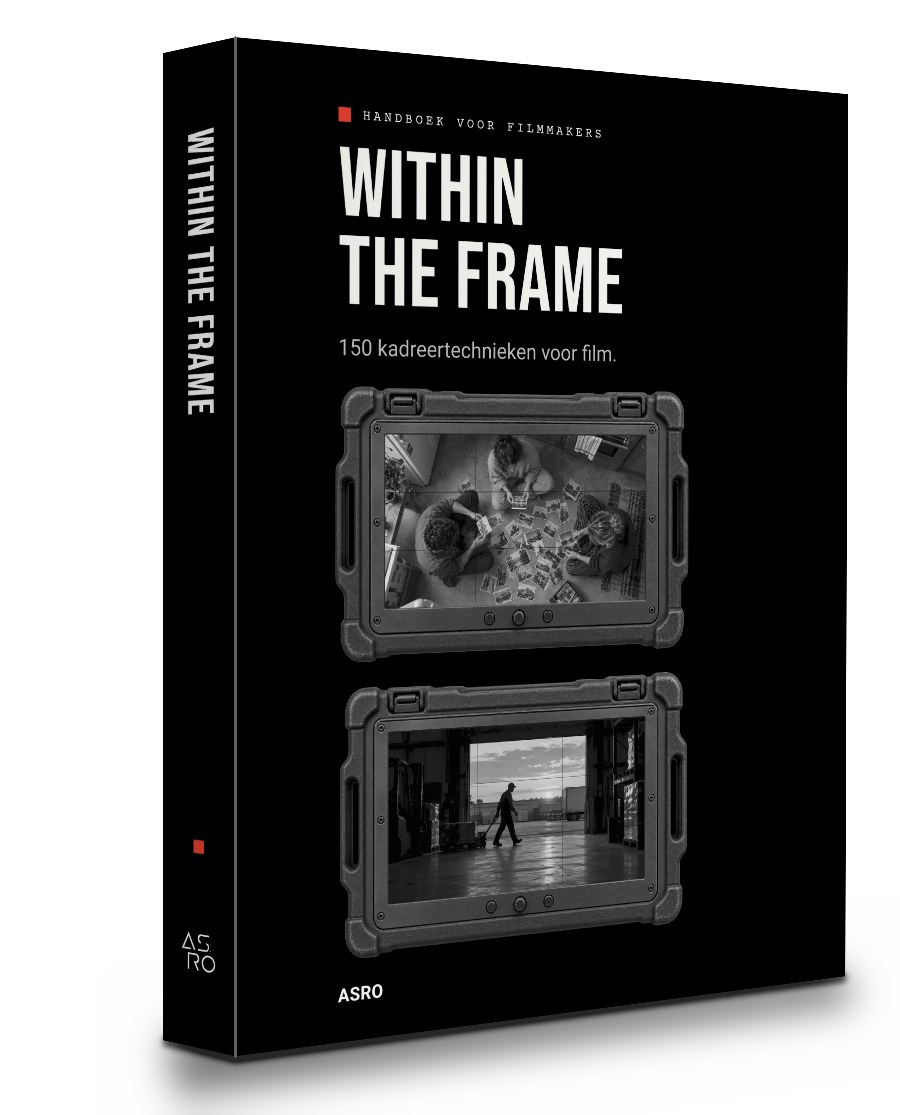
150 framing techniques for film, each explained on one page and shown in an example image on the next.
Also available in Dutch Buy on Amazon
Also available in English Buy on Amazon
Opens Amazon in a new tab.
Real pages from the book, as you will find them inside.
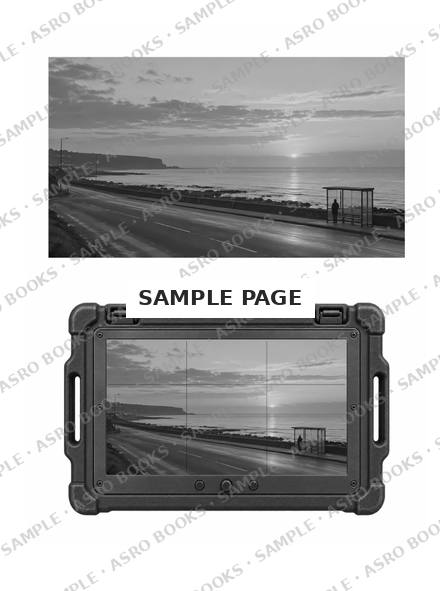
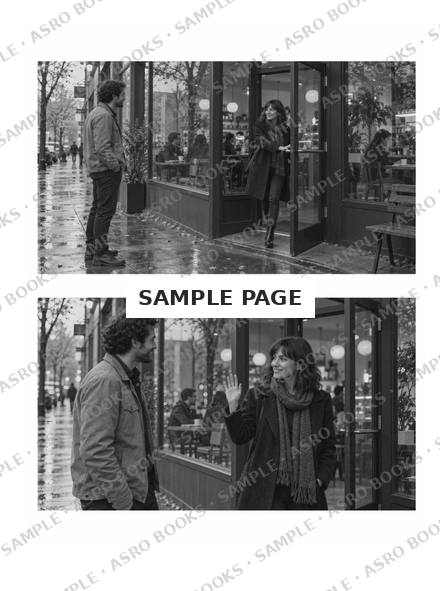
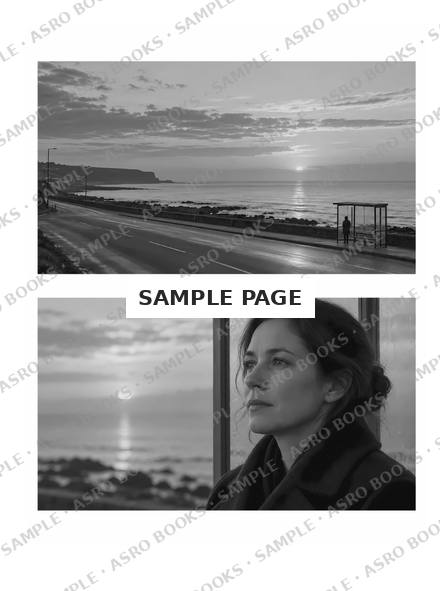
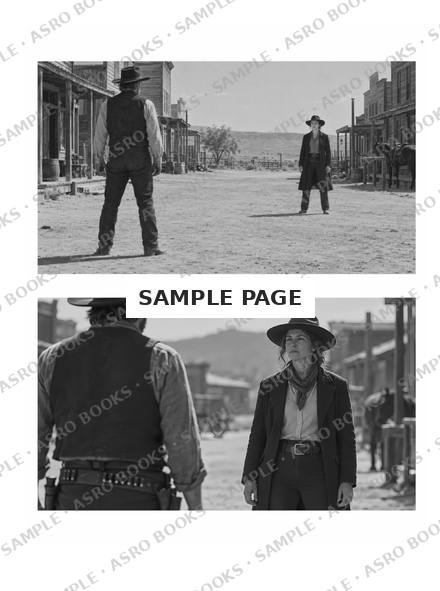
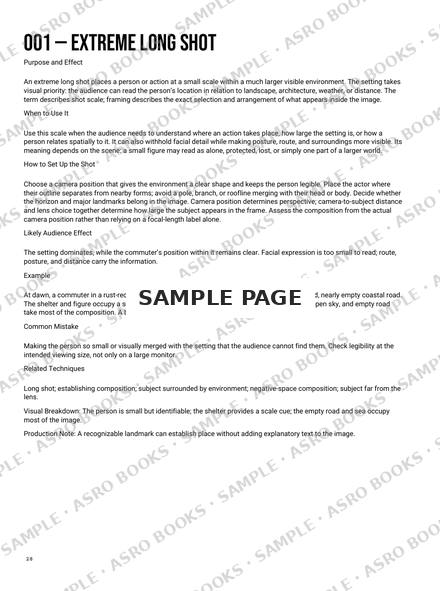
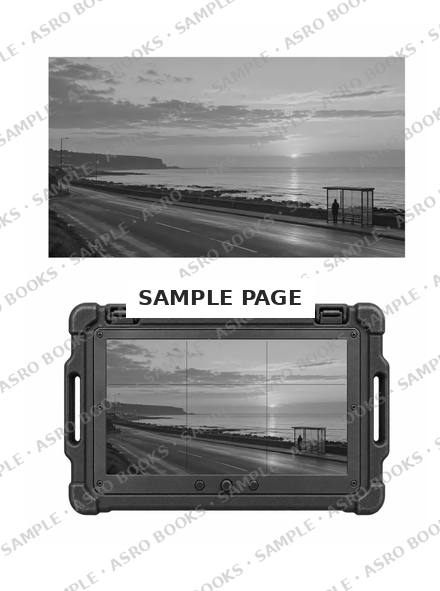
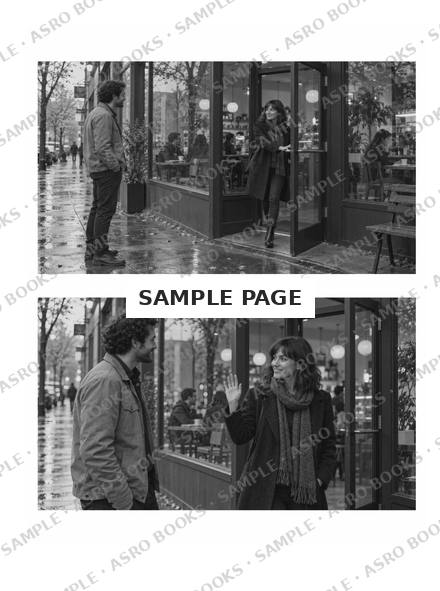
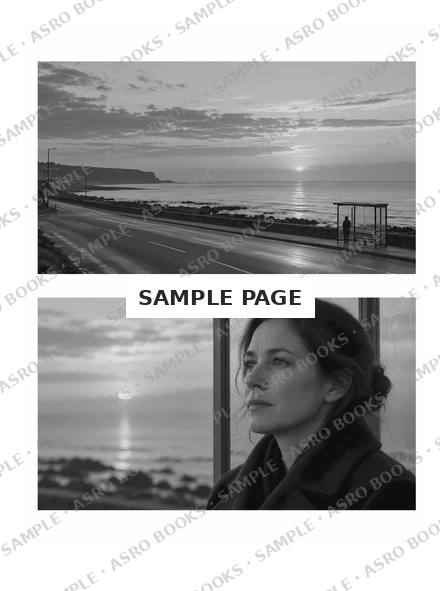
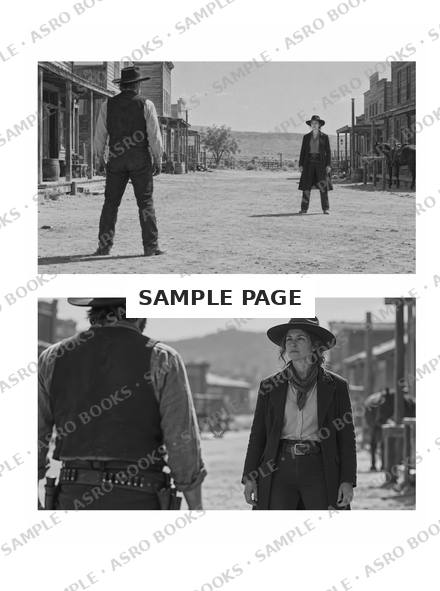
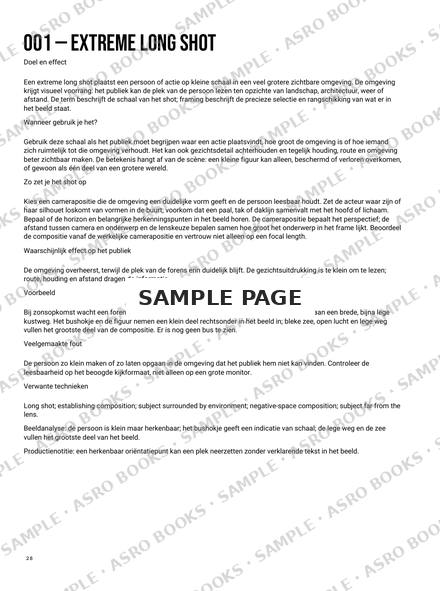
Every shot is a choice about what the audience sees and what it doesn't. Within the Frame turns that choice into a practical toolkit: 150 framing techniques, each explained on one page and shown in an example image on the facing page.
Film students, beginning directors, cinematographers, editors, storyboard artists and video creators. No previous experience needed.
| Pages | 457 |
|---|---|
| Size | 8.25 × 11 in (21 × 27.9 cm) |
| Printing | Black-and-white example images |
| Binding | Hardcover |
| Language | EnglishDutch |
| ISBN | 979-8162648338– |
The story behind the book
A camera records whatever is in front of it. Framing decides what that is. Where you place the edges of the image, how close you stand, how high the camera sits and what stays in or out of focus all shape what an audience notices, feels and expects.
Many framing choices have familiar names, such as the close-up, the over-the-shoulder shot or the rule of thirds. Others are simply useful ways to describe what a good image does: leaving space in front of a moving character, framing a figure inside a doorway, or hiding part of the action on purpose.
This book treats those names as tools, not rules. Each technique shows what it does, when it helps and what can go wrong, and the comparisons let you see two versions of the same moment side by side. The goal is simple: to frame each shot with intention.
Keeping your creative craft in the age of AI. A practical guide for makers.
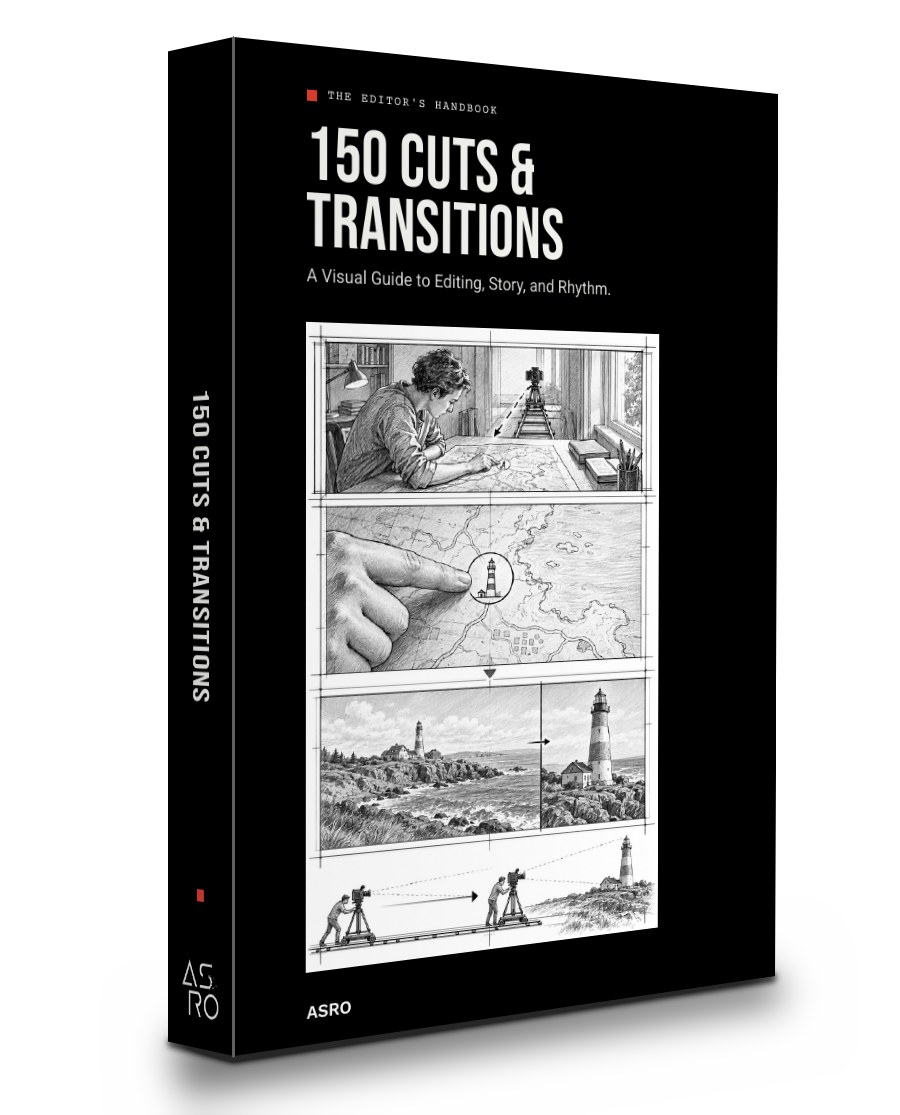
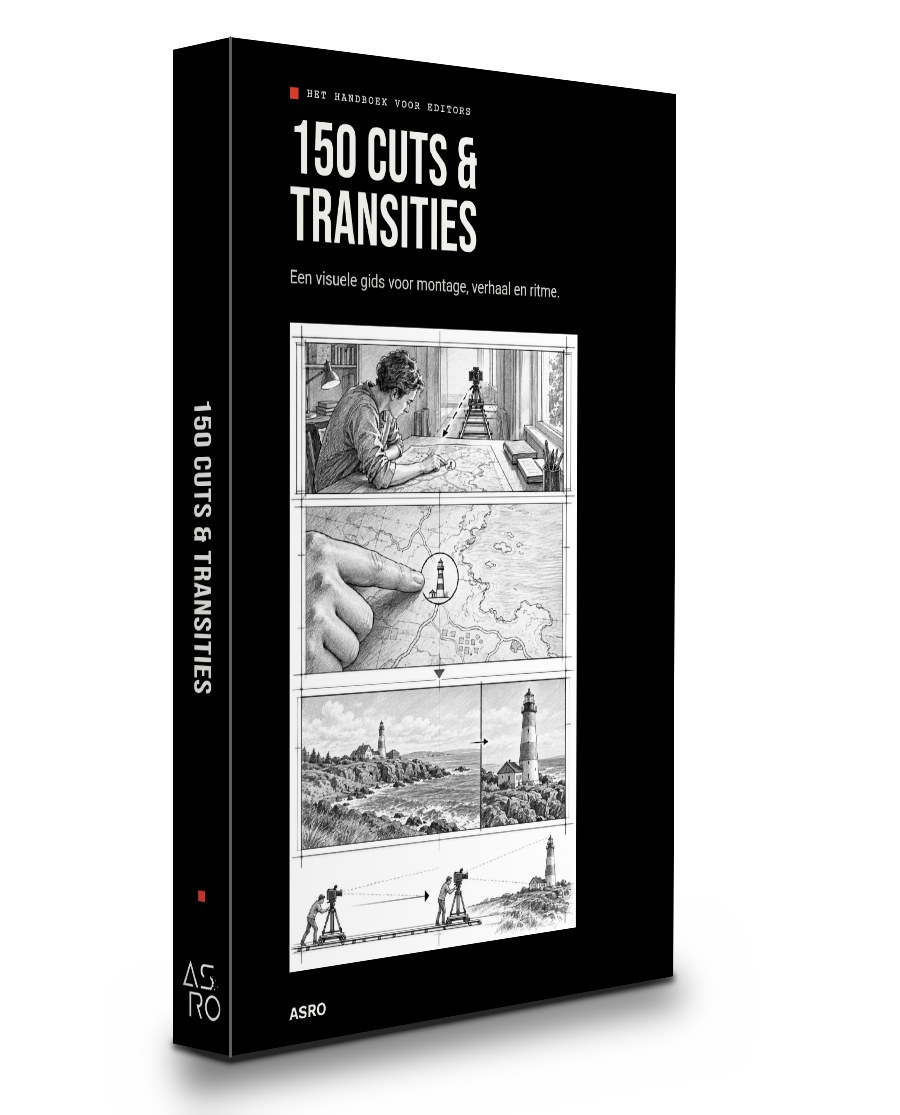
A visual guide to editing, story and rhythm: 150 techniques, from the standard cut to sound-led transitions.
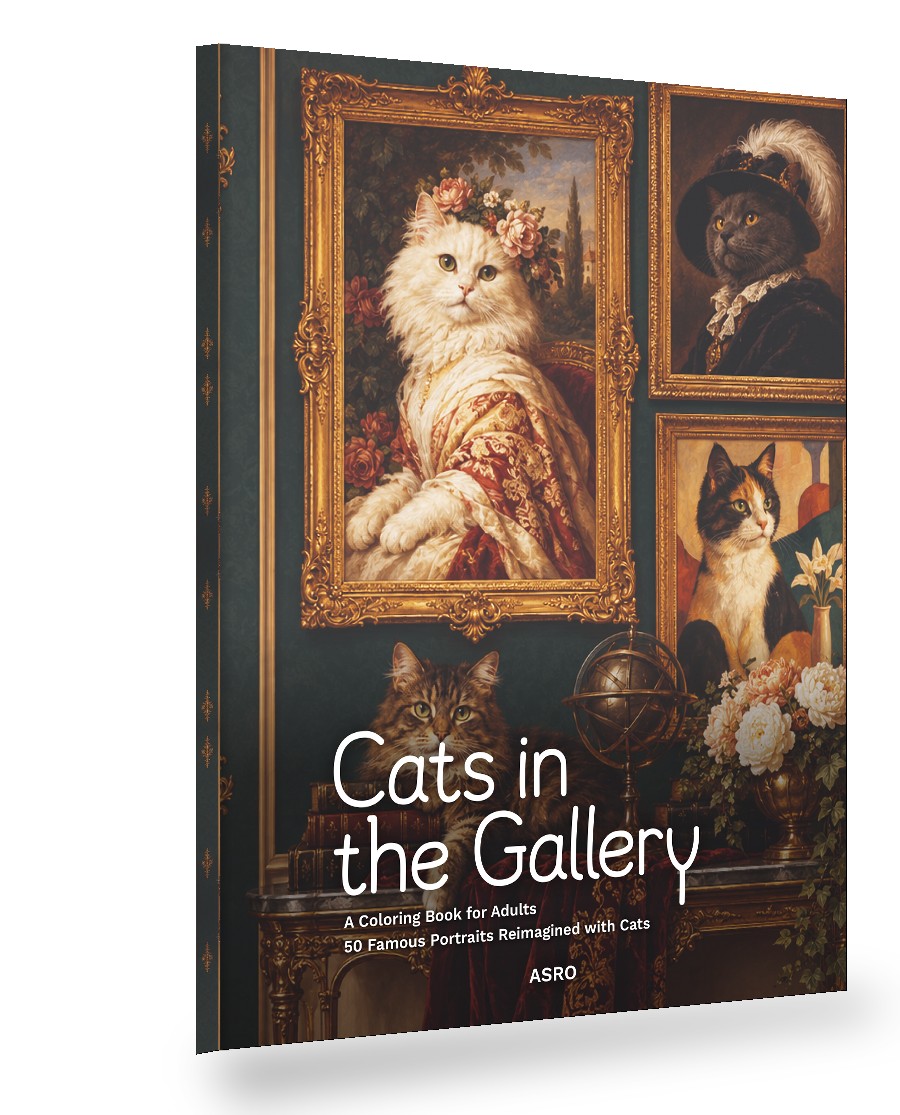
Fifty famous portraits reimagined with cats, each with the story behind the painting.
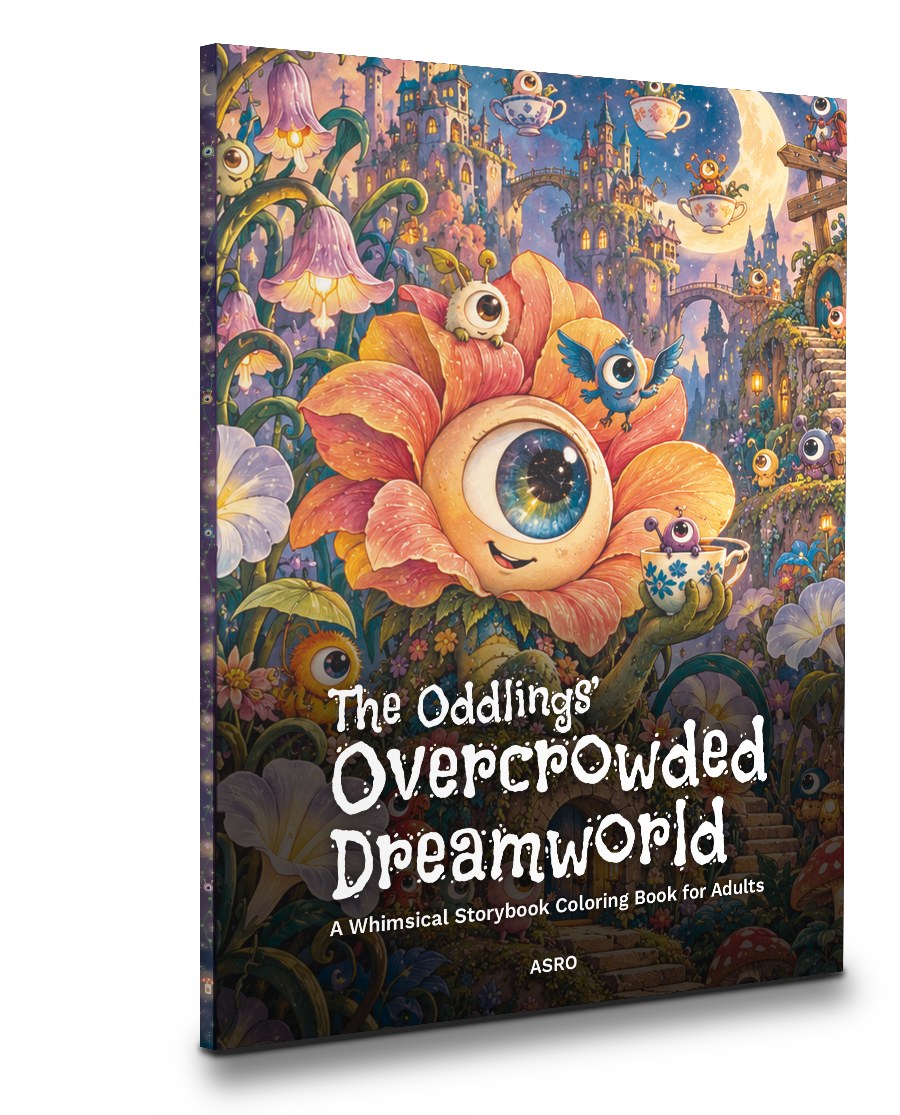
A whimsical storybook coloring book for adults: follow Pip through 50 dream places packed with curious creatures.
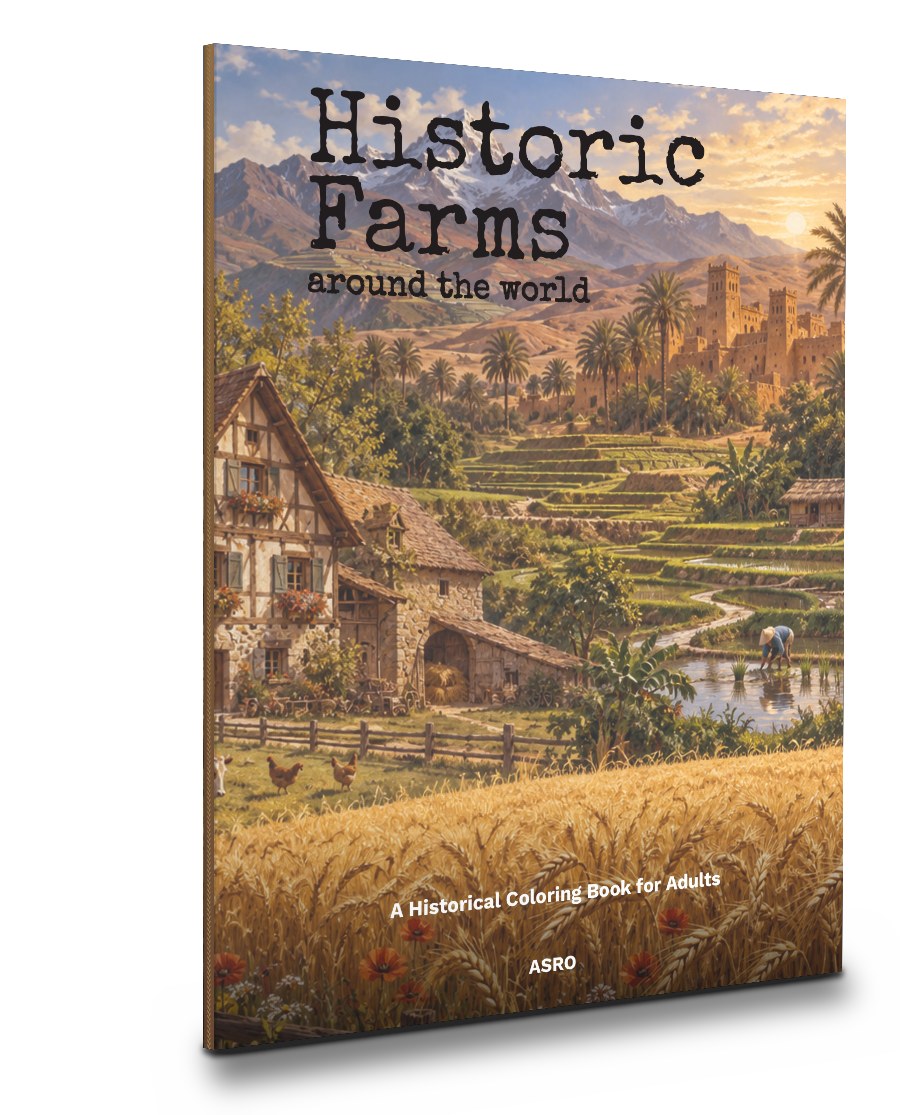
Peaceful rural life, traditional agriculture and forgotten landscapes: 35 historic farms to color.
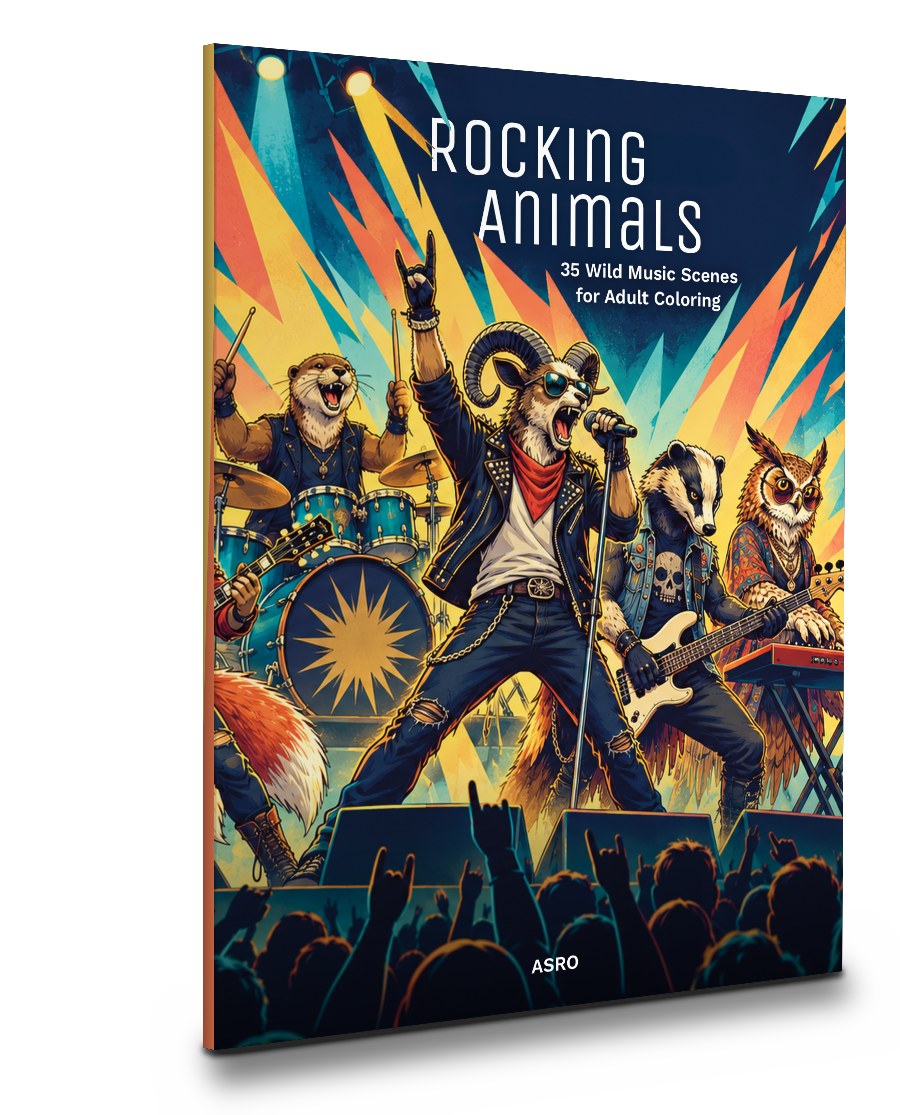
35 wild music scenes to color: fictional animal bands, from garage rock to a twelve-piece finale.
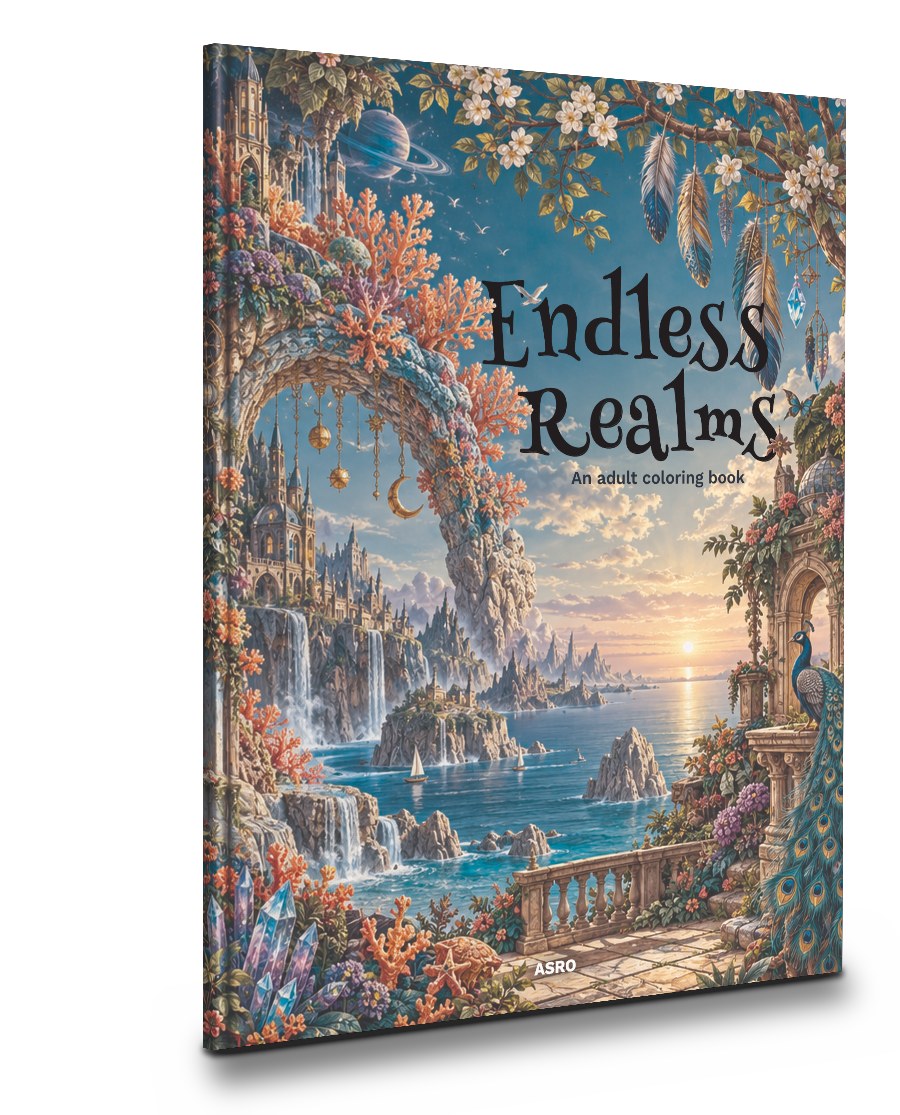
35 ultra-detailed fantasy worlds to explore and color, from gentle to maximum detail.
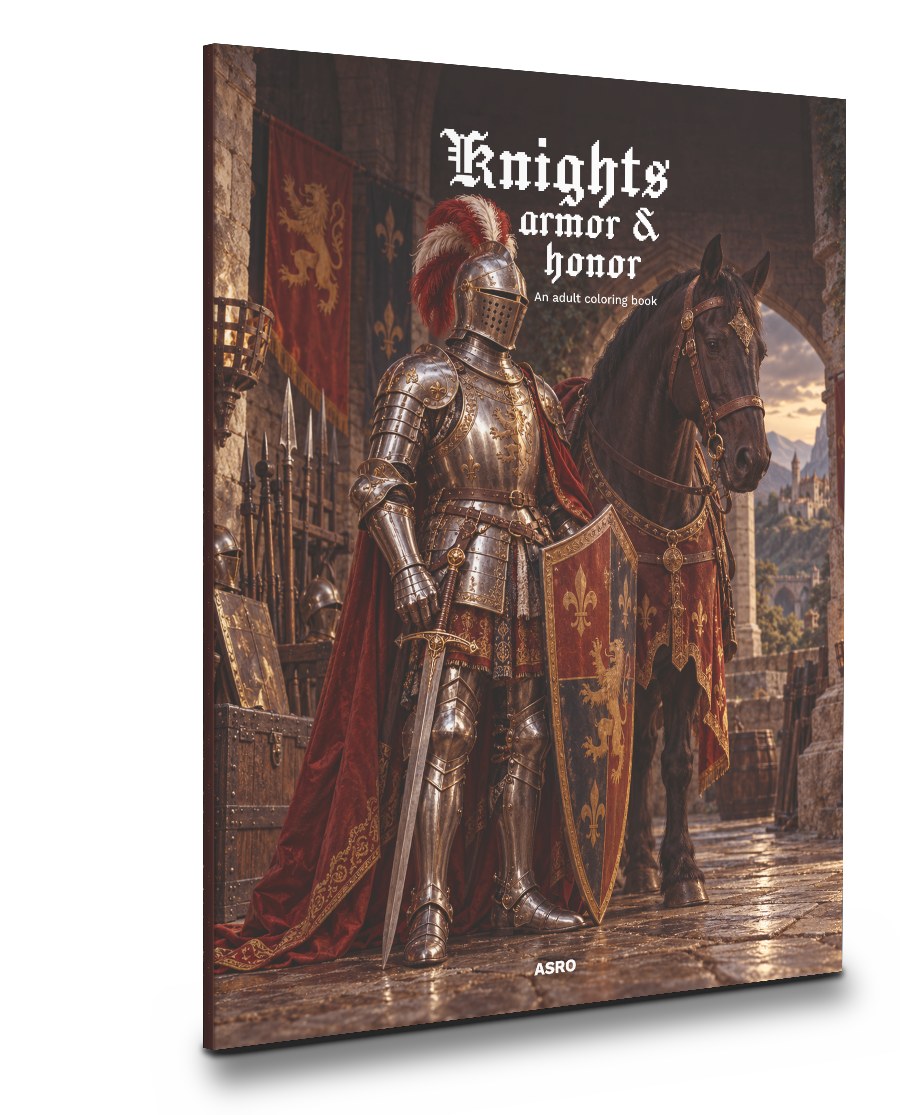
The history of warriors, shields and weapons: 35 armored figures to color, from the Bronze Age to the early modern era.
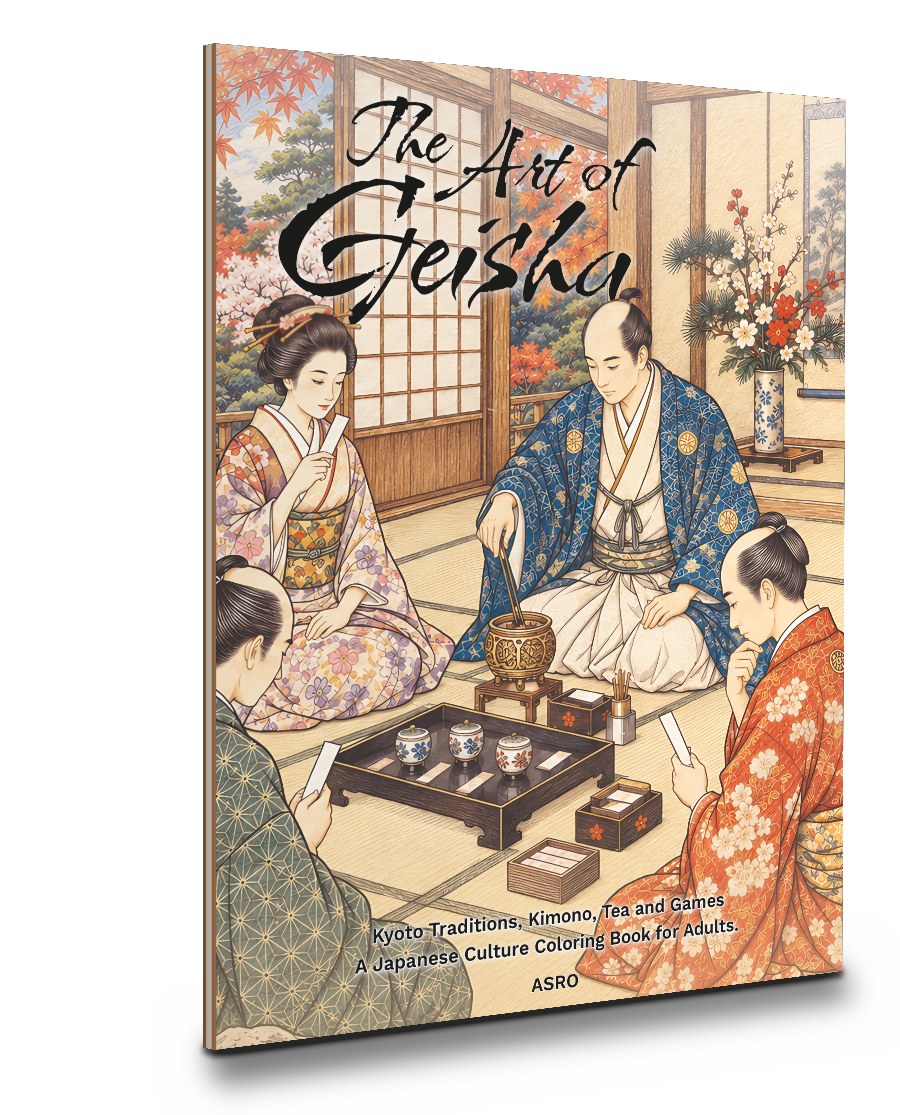
Kyoto traditions, kimono, tea and games: 35 scenes from the world of geiko and maiko to color.
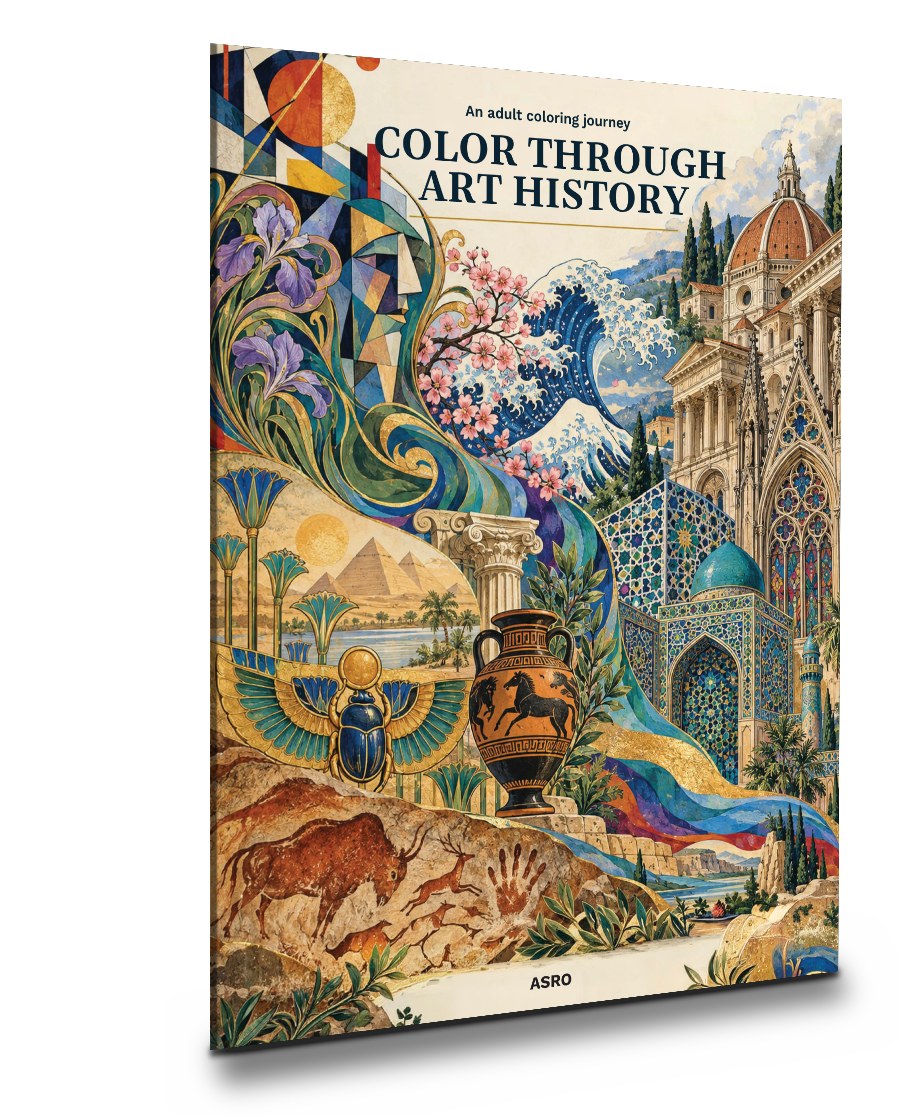
24 art movements to color, from prehistoric caves to contemporary galleries.