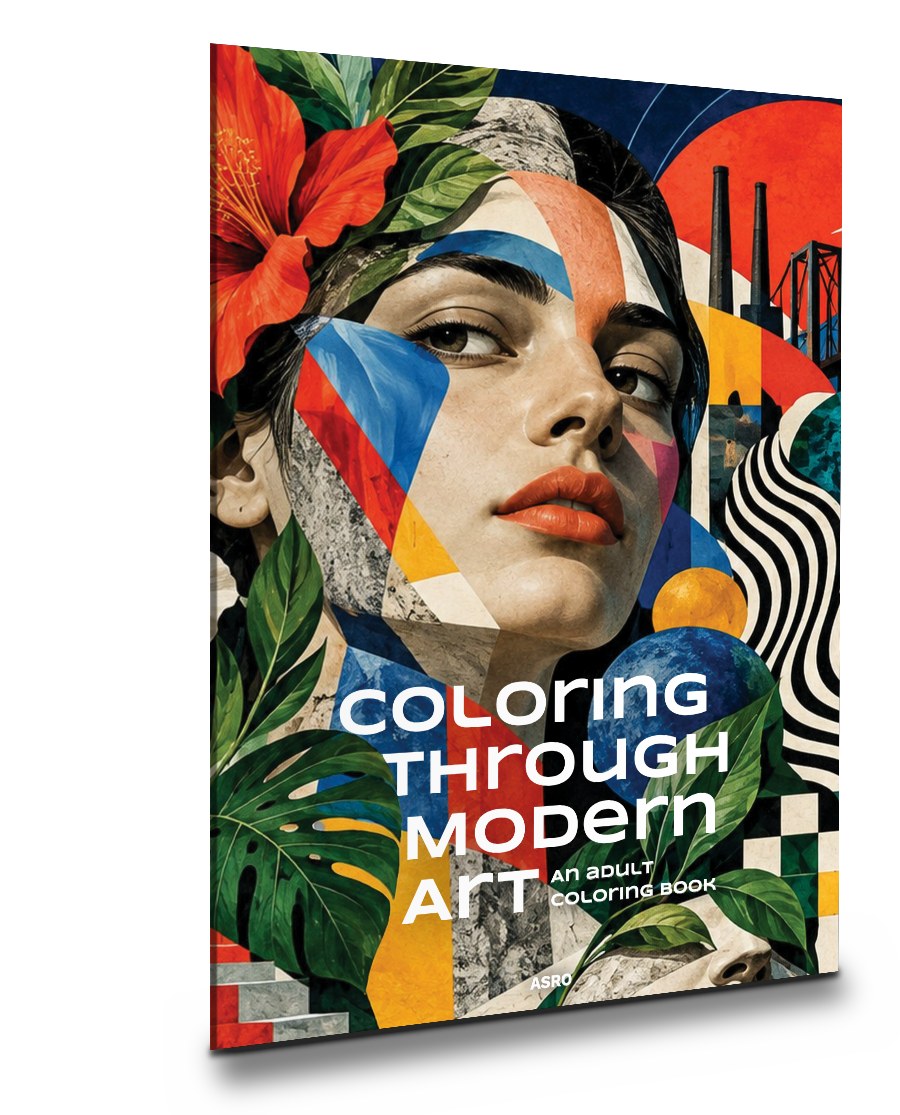
Coloring Through Modern Art
35 movements to color, from Realism to today's sustainable art.
View book
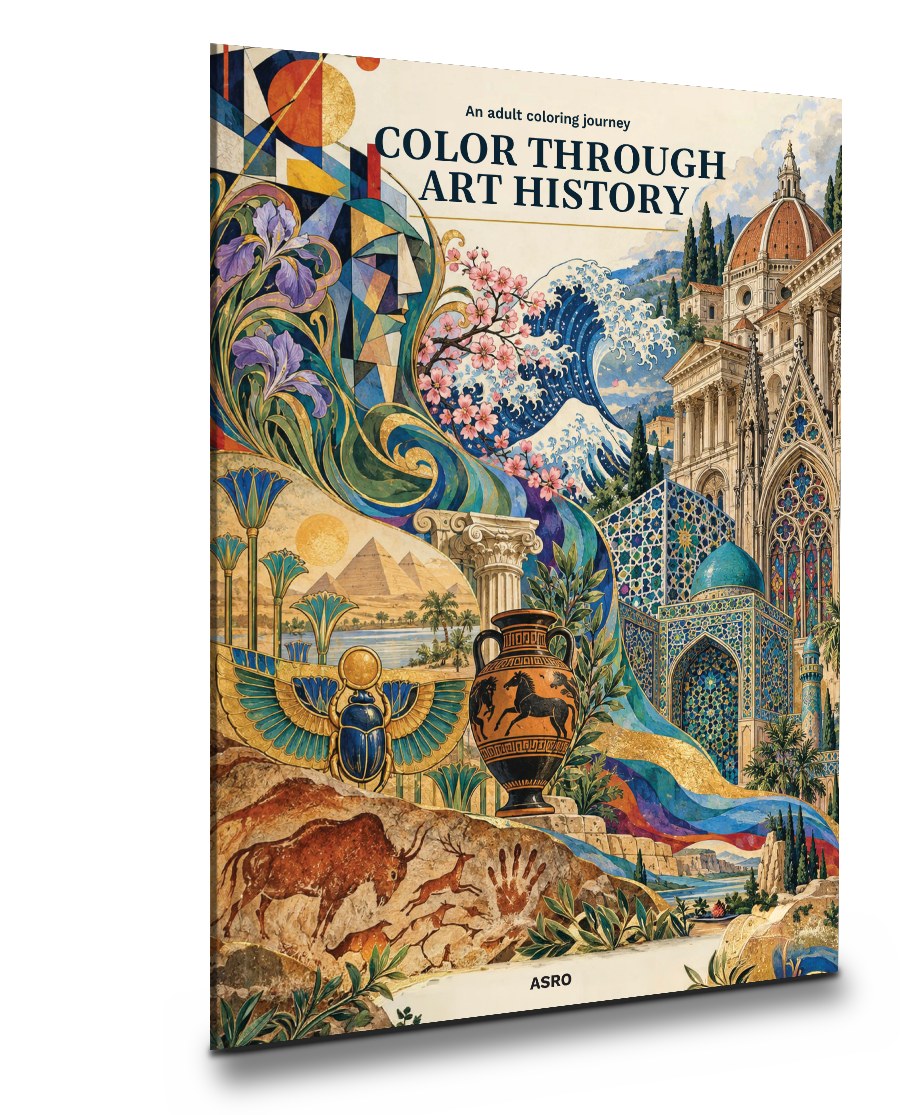
24 art movements to color, from prehistoric caves to contemporary galleries.
This book is on its way. Check back soon to see if it is out.
Real pages from the book, as you will find them inside.
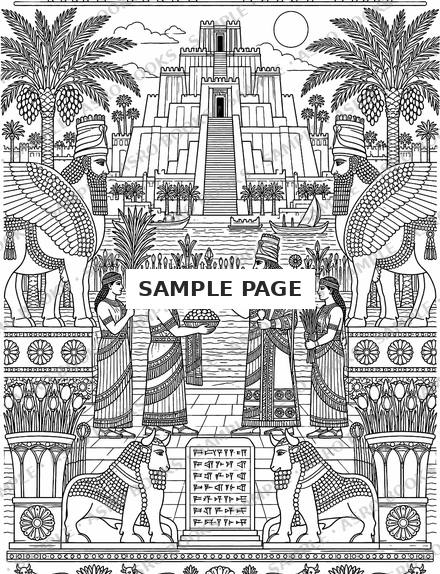
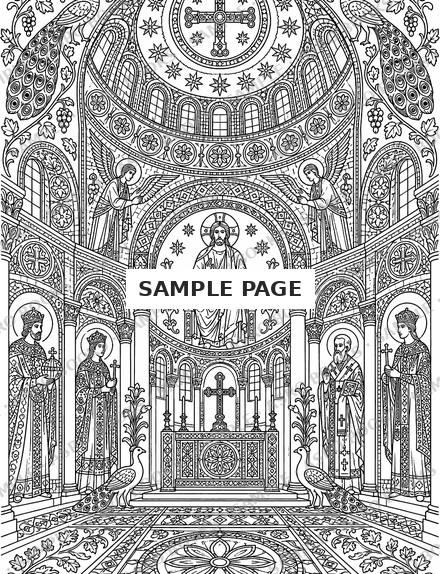
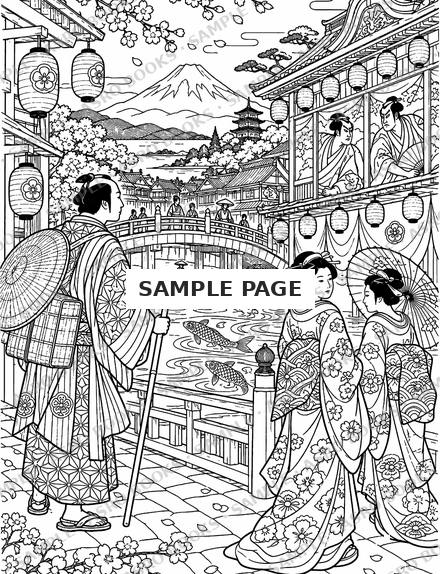
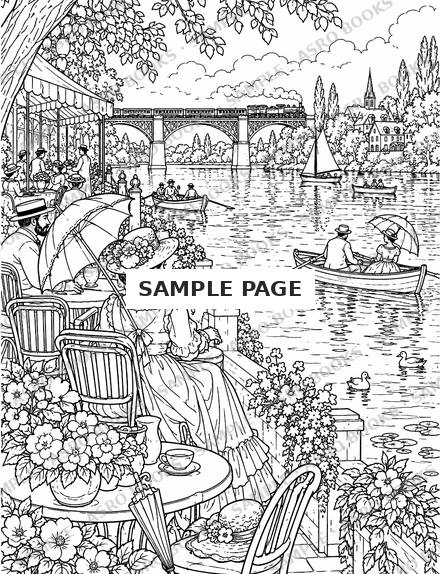
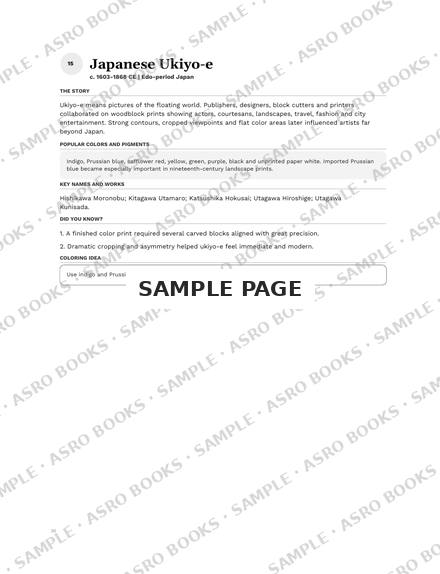
A world of art, waiting for color. Travel from prehistoric caves and ancient temples to Impressionist riversides and contemporary galleries. Every spread pairs a concise art-history guide with a large, original coloring page, so you learn the story before you pick up your pencils. Each illustration is a new composition inspired by the visual language of its era, not a copy of an existing artwork.
Colorists who love to learn as they create, art lovers looking for a new way to unwind, and anyone who wants a coloring book with real substance behind every page.
| Pages to color | 24 |
|---|---|
| Size | 8.5 × 11 in (21.6 × 27.9 cm) |
| Printing | Text page facing each illustration |
| Binding | Paperback |
| Language | English |
The story behind the book
The first artists painted with what they could find: red and yellow ochre from the earth, black from charcoal. Those few colors were enough for the animals on cave walls that still impress us today.
Later, color became a craft and sometimes a luxury. The ancient Egyptians made Egyptian blue, one of the first synthetic pigments. In Renaissance Europe, ultramarine was ground from lapis lazuli and was so costly that painters often saved it for the most important figure in a painting.
In the nineteenth century, paint in tin tubes made it possible to work outdoors, and the Impressionists took their easels to riversides and fields. In this book, each era comes with color suggestions, so you can color with the palette of its time, or deliberately break from it.
35 movements to color, from Realism to today's sustainable art.
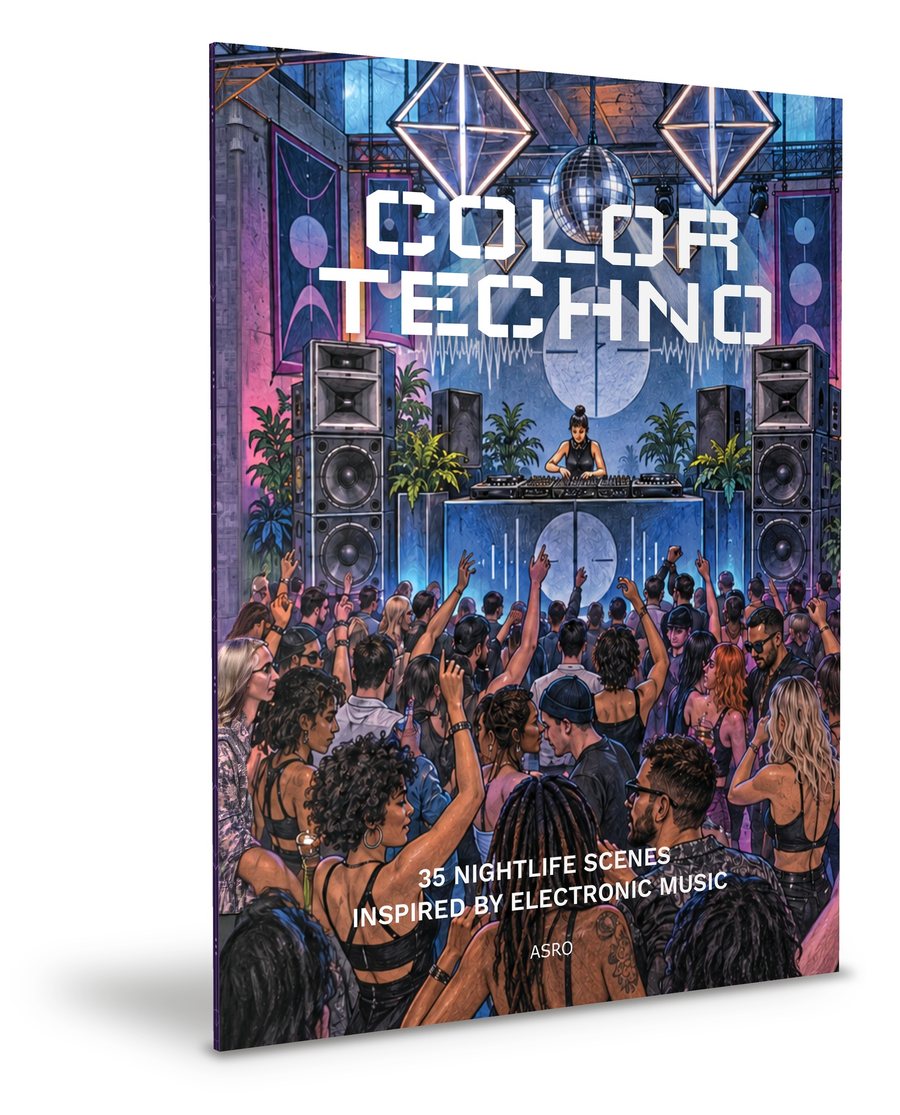
35 nightlife scenes inspired by the history of electronic music.
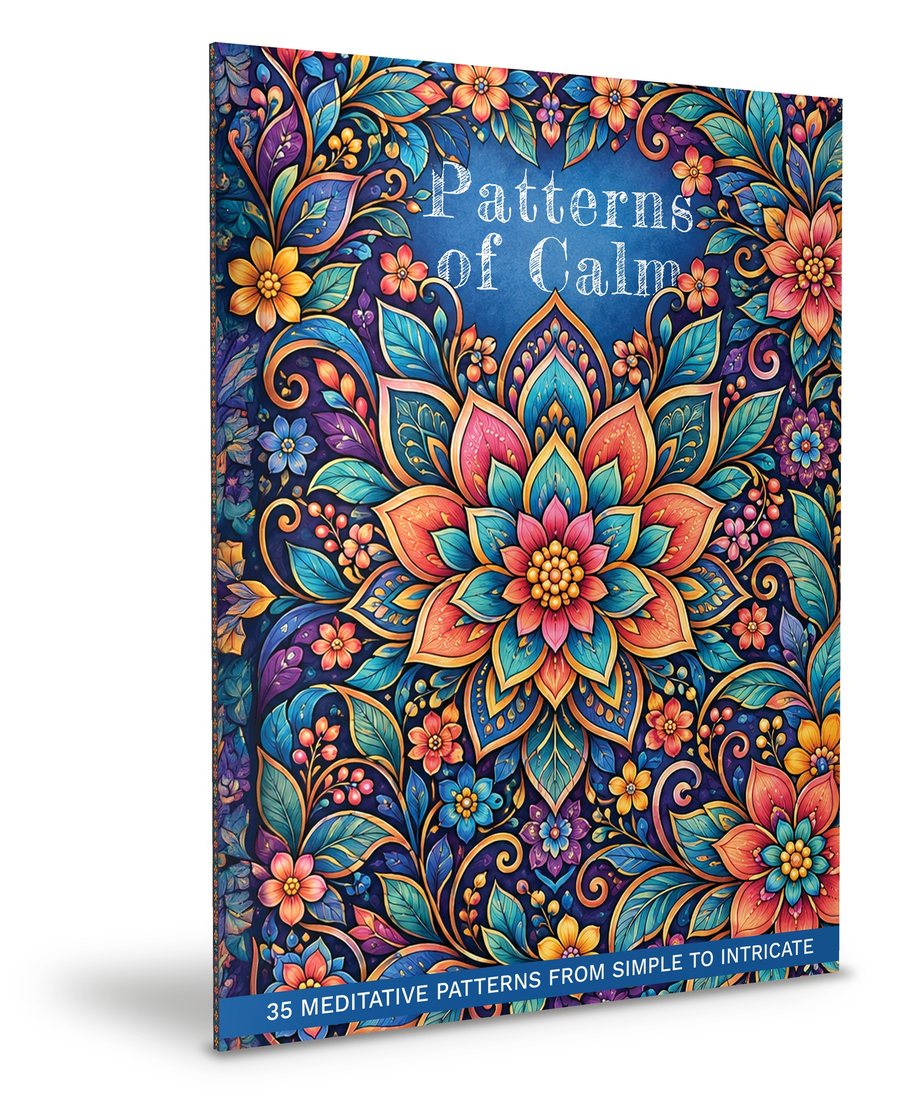
Meditative patterns, from simple to intricate.