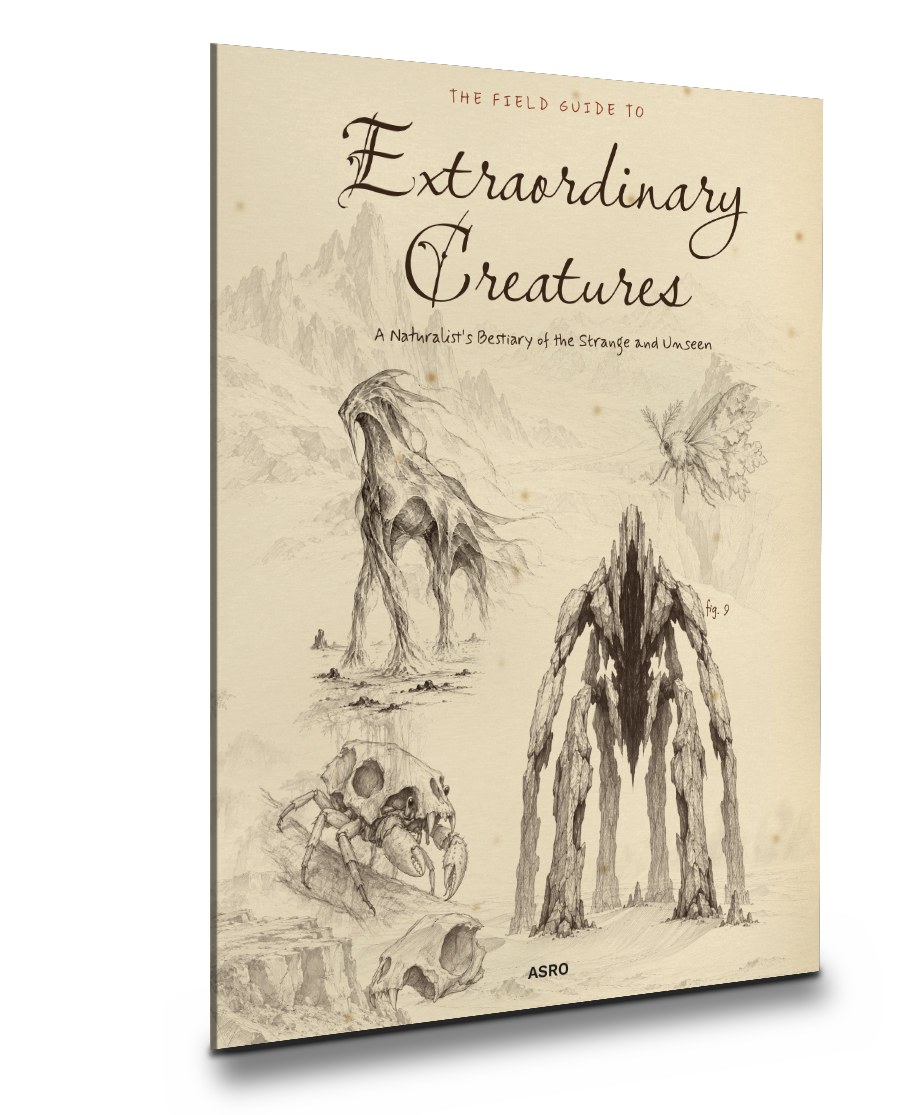
The Field Guide to Extraordinary Creatures
An illustrated field guide to 375 strange and unseen creatures.
View book
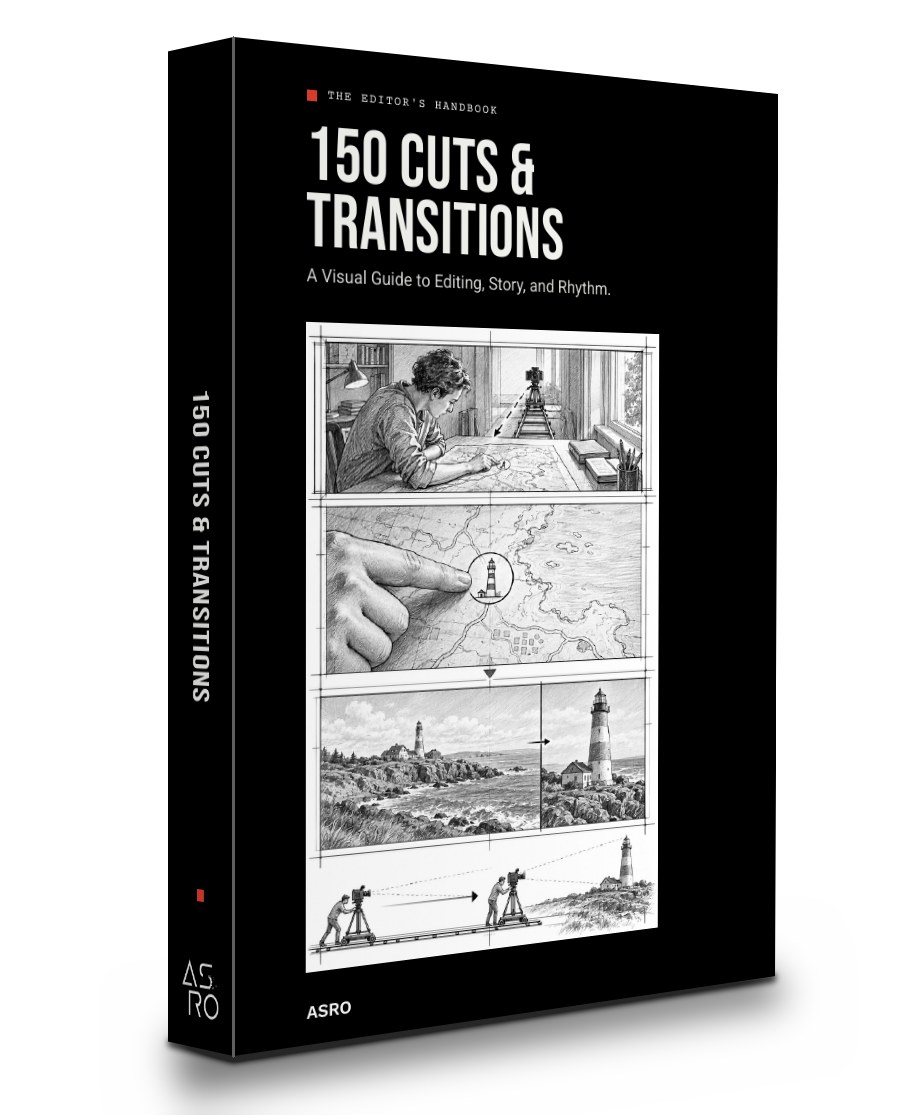
A visual guide to editing, story and rhythm: 150 techniques, from the standard cut to sound-led transitions.
This book is on its way. Check back soon to see if it is out.
Real pages from the book, as you will find them inside.


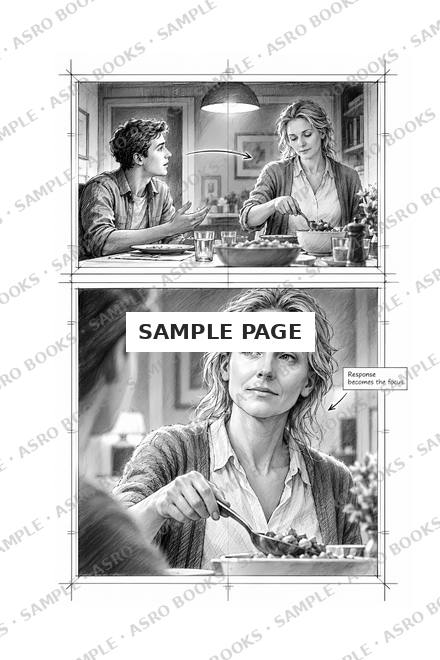
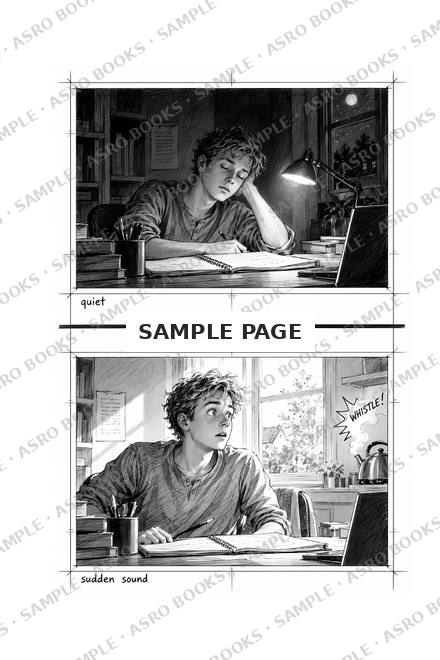
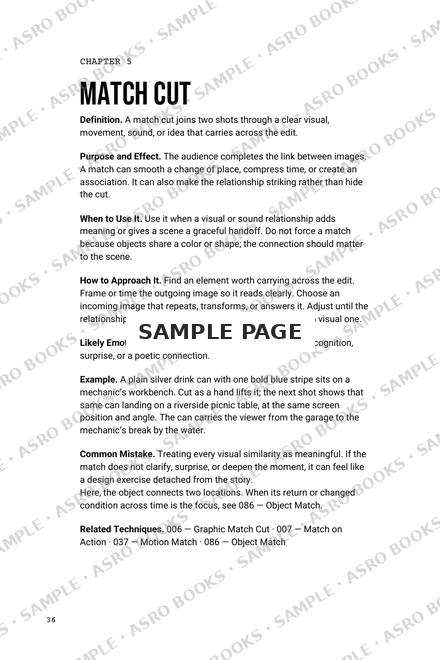
An edit is more than a change of shot. It shapes time, directs attention and changes what a moment means. 150 Cuts & Transitions is a visual guide to the choices editors make between shots. It introduces 150 techniques, from essential continuity cuts to expressive transitions, montage and sound-led edits. Each entry explains what the technique does, when it may be useful, how to approach it and what can go wrong, with an original example to make the idea concrete.
Aspiring editors, filmmakers, film students and curious viewers who want to understand how an edit shapes a story.
| Pages | 344 |
|---|---|
| Size | 6 × 9 in (15.2 × 22.9 cm) |
| Printing | Illustrated with drawings and diagrams |
| Binding | Hardcover |
| Language | English |
The story behind the book
Some of the earliest films were single, uninterrupted views of an event. Filmmakers soon discovered that joining shots could move a story from a street to a room, or from an action to its consequence. By the 1910s, a set of continuity habits had grown up to help audiences follow space and time: establishing shots, matching eyelines and cutting during movement.
Continuity was never the only answer. In the 1920s, Soviet filmmakers showed that placing two images side by side could create a meaning neither had on its own, an idea now known as the Kuleshov effect. Montage became a way to think, not only to tell.
Tools kept changing what editors could try. Splicing film by hand made every cut a commitment. Digital, non-linear editing made it possible to test ten versions in an afternoon. The techniques in this book come from that whole history, and they all ask the same question: what should the audience feel at this exact moment?
An illustrated field guide to 375 strange and unseen creatures.
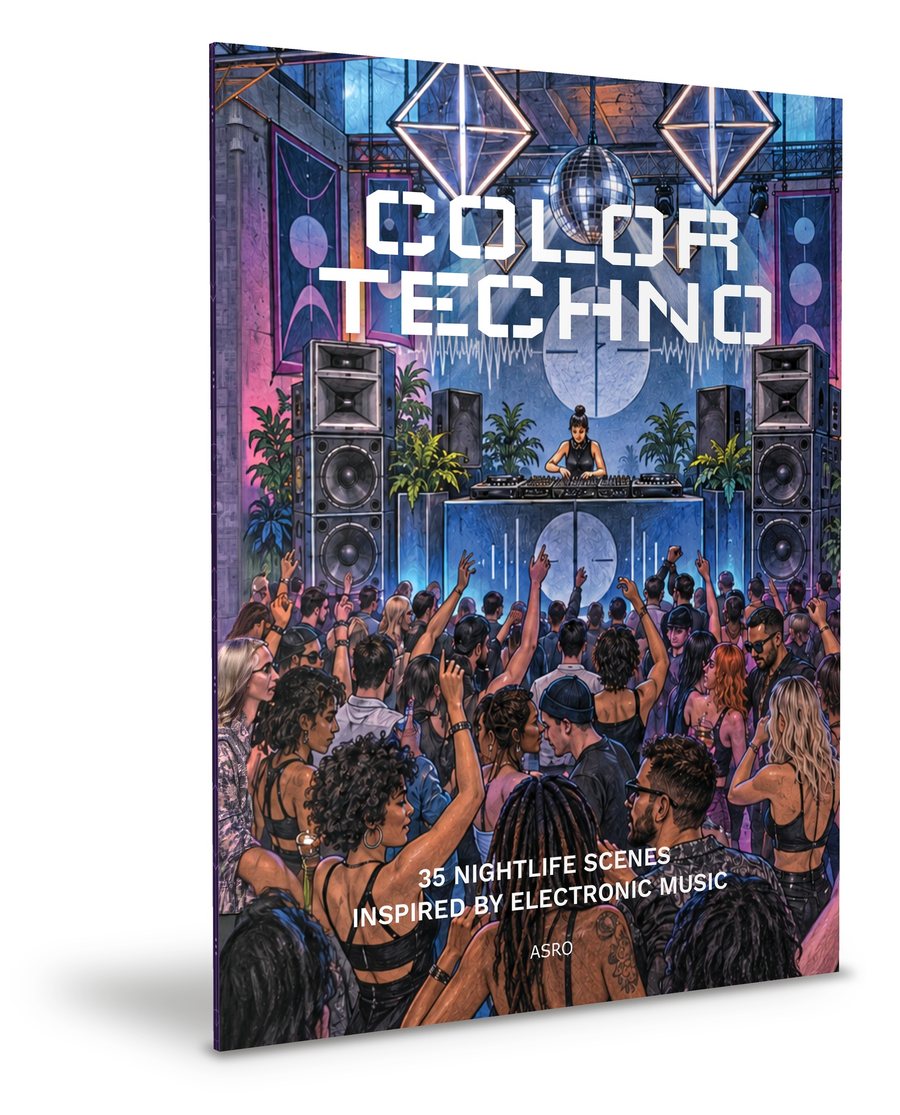
35 nightlife scenes inspired by the history of electronic music.

Bold, funny and inclusive pages with a groovy twist.